שם המחבר: sharona.gil02@gmail.com

כללי

Redefining Problematic Screen

Blog Contact WhatsApp Mobile Email LinkedIn Portfolio CBS Modul Horizon POS Usability Testing Home Blog Contact WhatsApp Mobile Email LinkedIn Portfolio CBS Modul Horizon POS Usability Testing Home Home Portfolio CBS Modul Horizon POS Usability Testing Blog Contact WhatsApp Mobile Email LinkedIn Home Portfolio CBS Modul Horizon POS Usability Testing Blog Contact WhatsApp Mobile Email LinkedIn Blog Redefining the Problematic Screen and a Solution to the Original Issue Selecting a system that is used daily and researching a user experience (UX) problem encountered on a specific screen within the system, redefining the problematic screen, and proposing a solution to the original System Name: Microsoft Word User Role: Content editing and document writing. Daily use of the tool for editing texts, summaries, writing, reports, or any form of documentation. Problem: When copying and pasting text from a PDF file, Word by default also pastes the original formatting, including font, size, colors, and spacing.To paste without formatting, the user must click the small arrow under the Paste button and choose one of three options (Keep Source Formatting, Merge Formatting, or Keep Text Only), or remember non-intuitive keyboard shortcuts. The user wants a simple result — paste the text AS IS — but is forced to “work” after pasting and think about how the system will interpret it. Goal of the Problematic Action and Its Description:The goal is to copy and paste text from one source (a PDF file) into a Word document while maintaining the formatting style of my own document. Screenshot of the Problematic Screen: Redesign in Figma of the Screen and Explanation of How the Problem Was Solved: Solution: Change Default Behavior: Pasting will default to unformatted text. A short pop-up message will appear (for changing the setting: “Click here”). Clearer Interface: When pressing Ctrl+V, a snackbar will appear at the bottom of the screen with three action options (before pasting): Keep Source Formatting Merge Formatting Keep Text Only “Set as Default” Option:The user can choose their preferred option and mark it as the default preference. Additional Changes: A formatting icon will show the user how the pasted text will look before selecting an option. Animation will be added to indicate that the paste action has been completed. Figma Link  >> Looking for a UX/UI Designer to bring clarity to your product? Let’s work together. +972-54-6460883 Site Navigation Privacy Policy Home Page Accessibility Statement Cognitive Psychology Classical conditioning Peak-End Rule Data analysis Redefining Problematic Screen Portfolio Complex Systems Modul CBS POS Usability Testing 054-6460883 sharona.gil09@gmail.com Whatsapp Linkedin Mobile-alt Envelope

בלוג

Data analysis

Blog Contact WhatsApp Mobile Email LinkedIn Portfolio CBS Modul Horizon POS Usability Testing Home Blog Contact WhatsApp Mobile Email LinkedIn Portfolio CBS Modul Horizon POS Usability Testing Home Home Portfolio CBS Modul Horizon POS Usability Testing Blog Contact WhatsApp Mobile Email LinkedIn Home Portfolio CBS Modul Horizon POS Usability Testing Blog Contact WhatsApp Mobile Email LinkedIn Blog Data Analysis and Chart Creation In order to analyze data and create charts, a website will be selected, and based on it the information architecture diagram, a user scenario, and the main user flows will be mapped. Selected website: https://lipameir.co.il/ 1. Information Architecture Diagram Identification of information items – list About the firm Who are the team members Practice areas of the firm Information search via: News & Publications, Facebook, LinkedIn Careers Contact English Comprehensive list of all information items that make up the system Home Page: Main navigation: Logo | About, Team, Practice Areas, News & Publications, Careers, Contact | English, LinkedIn, Facebook Hero section: Creative visuals (4 branding images), accessibility plugin About: Short paragraph Team: “Meet the full team” button Practice Areas Rankings: Logos – Top Ranked, The Legal 500, BDI CODE, Dun’s 100, WTR – World Trademark Review Call to Action: Newsletter subscription Footer: Terms of Use, Privacy Policy, Accessibility Arrangements, Copyrights About Page: Title: About Button: Download firm profile Text content Logos Sub-navigation: All practice areas Team Page: Sub-navigation: All Team, Partners, Attorneys, Interns Buttons: Search by name, Search by practice area All Team 108 profiles On hover: name, role On click (profile page): Sub-navigation Header: Full name, role Button: Search by name Text – Practice areas (buttons) Full-body image Articles Partners Page 45 profiles On hover: name, role On click (profile page): same structure as above Attorneys Page 41 profiles On hover: name, role On click (profile page): same structure as above Interns Page 22 profiles On hover: name, role On click (profile page): same structure as above Practice Areas Page: Practice areas include:Cooperative Associations, Settlement and Agriculture, Arbitration and Mediation, Insurance, Banking and Finance, Health and Life Sciences, China and Far East Desk, Antitrust and Competition, Privacy Protection and Information Security, High-Tech and Technology, Urban Renewal – TAMA and Evacuation-Building, Insolvency and Debt Arrangements, Telecom and Information Systems Technologies, Litigation and Dispute Resolution, Mergers and Acquisitions, Tenders, Hospitality, E-Commerce and Internet, Labor Law and Employment Relations, Commercial Law, Real Estate, Environment and Climate, Cyber and Artificial Intelligence (AI), International Transactions, Intellectual Property, Defense Industries and Homeland Security, Energy Infrastructure and Project Finance, Investment Funds, Regulation and Administrative Law, Capital Markets and Securities, Corporations and Company Law, Class Actions and Derivative Claims, Automotive Sector, Planning and Construction, Aviation. Practice Area Subpage (single area): Sub-navigation: list of practice areas Button: Search by practice area Rankings (logos) News & Publications – “More publications.” Partners: Full team Rankings News & Publications Page: Filter menu: All, News, Articles, Newsletters, Conferences Buttons: Search by name, Search by practice area Content structure: All: News (articles), Articles (articles), Newsletters (articles), Conferences (articles) News – articles Articles – articles: icon, date, title, subtitle, paragraph Newsletters – articles: icon, date, title, subtitle, paragraph Conferences – articles: icon, date, title, subtitle, paragraph Careers Page: Careers sub-navigation: Attorneys, Interns, Administration Text content Attorneys: Title, text, open position, “Submit CV” button Interns: Title, text Administration: Title, text, open position Contact Page: Address Contact form Map Information extracted from the brief: Critical Important Nice to Have Additional Functions About Team Careers Newsletter subscription Contact English Facebook Sitemap: Copyrights, Terms of Use, Privacy Policy, Accessibility Arrangements Practice Areas News & Publications LinkedIn   Call to Action Rankings (logos)     Site accessibility       Information Matrix (Preliminary Preparation for the Diagram) Level 1 Level 2 Level 3 Home Page About —   Team All Team     Partners     Attorneys     Interns   Practice Areas Cooperative Associations     Settlement and Agriculture     Arbitration and Mediation     Insurance     Banking and Finance     Health and Life Sciences     China & Far East Desk     Antitrust and Competition     Privacy Protection & Information Security     High-Tech and Technology     Urban Renewal – TAMA & Evacuation-Building     Insolvency & Debt Arrangements     Telecom & Information Systems Technologies     Litigation & Dispute Resolution     Mergers & Acquisitions     Tenders     Hospitality     E-Commerce & Internet     Labor Law & Employment Relations     Commercial Law     Real Estate     Environment & Climate     Cyber & Artificial Intelligence (AI)     International Transactions     Intellectual Property     Defense Industries & Homeland Security     Energy Infrastructure & Project Finance     Investment Funds     Regulation & Administrative Law     Capital Markets & Securities     Corporations & Company Law     Class Actions & Derivative Claims     Automotive Sector     Planning & Construction     Aviation   News & Publications All     News     Articles     Newsletters     Conferences   Careers Attorneys     Interns     Administration   Contact Address     Contact Form     Map Search / Results Page Search by Name —   Search by Practice Area — Global Navigation Facebook —   LinkedIn —   English — Information Architecture Diagram 4. User Scenarios Scenario 1: Emma Persona: EmmaContext: Recently terminated from her job, Emma needs legal advice and support regarding labor law and employment relations. Goal: Find a lawyer or senior associate specializing in labor law to consult and possibly accompany her to the hearing. Website Areas Accessed: About Practice Areas Types of Lawyers / Associates Actions Performed: Review the team Examine specializations Select the lawyer or associate who will support her Verify consultation cost Success Criteria:Emma successfully books a consultation with a suitable associate at a price she can afford. Scenario 2: Naama Persona: NaamaContext: Works at a high-tech company and needs legal support for corporate matters such as company formation, financing, grants, intellectual property, and

כללי

Peak-End Rule

Blog Contact WhatsApp Mobile Email LinkedIn Portfolio CBS Modul Horizon POS Usability Testing Home Blog Contact WhatsApp Mobile Email LinkedIn Portfolio CBS Modul Horizon POS Usability Testing Home Home Portfolio CBS Modul Horizon POS Usability Testing Blog Contact WhatsApp Mobile Email LinkedIn Home Portfolio CBS Modul Horizon POS Usability Testing Blog Contact WhatsApp Mobile Email LinkedIn Blog Peak-End Rule The Peak-End rule is a psychological principle stating that people judge an experience largely based on how they felt at its most intense point (the peak) and at its conclusion (the end), rather than evaluating the experience as a whole. This means that moments of extreme pleasure or pain and the final moments of an event disproportionately influence overall memory and perception, which has important implications for designing user experiences, services, and interactions. Usage scenario for a banking system that teaches the user to use the results filter to achieve the best outcomes.The Peak-End rule will be demonstrated to create a memorable and educational experience for the user. Looking for a UX/UI Designer to bring clarity to your product? Let’s work together. +972-54-6460883 Site Navigation Privacy Policy Home Page Accessibility Statement Cognitive Psychology Classical conditioning Peak-End Rule Data analysis Redefining Problematic Screen Portfolio Complex Systems Modul CBS POS Usability Testing 054-6460883 sharona.gil09@gmail.com Whatsapp Linkedin Mobile-alt Envelope

Classical conditioning–based characterization process
כללי

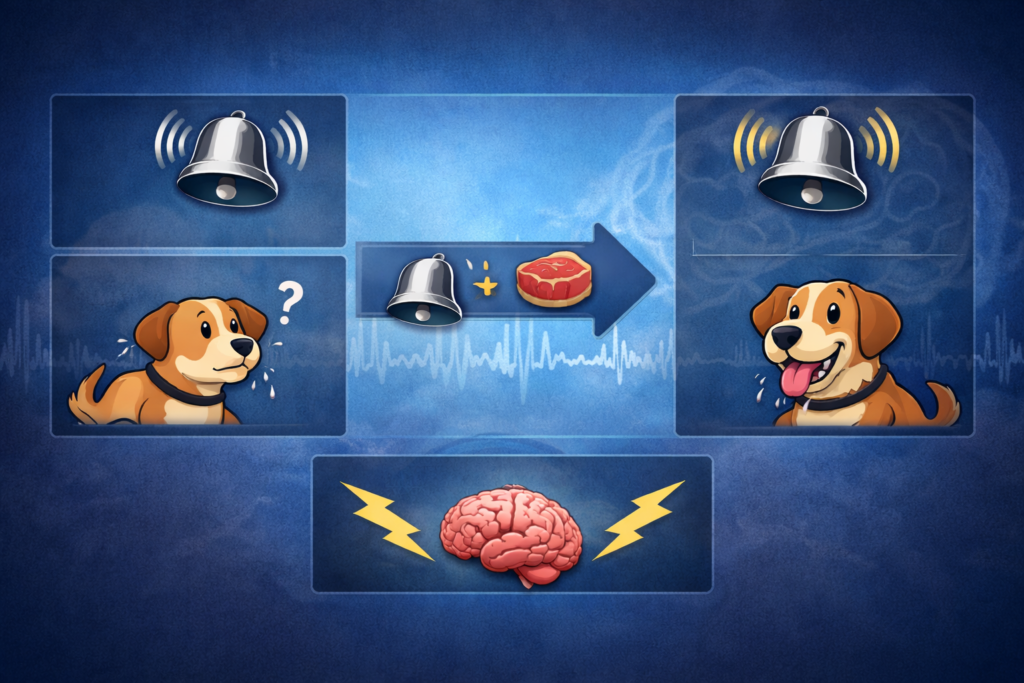
Classical conditioning

Blog Contact WhatsApp Mobile Email LinkedIn Portfolio CBS Modul Horizon POS Usability Testing Home Blog Contact WhatsApp Mobile Email LinkedIn Portfolio CBS Modul Horizon POS Usability Testing Home Home Portfolio CBS Modul Horizon POS Usability Testing Blog Contact WhatsApp Mobile Email LinkedIn Home Portfolio CBS Modul Horizon POS Usability Testing Blog Contact WhatsApp Mobile Email LinkedIn Blog Classical condition based characterization process Human memory models and the central role of memory in information processing. Sensory input undergoes attentional filtering and is then encoded into memory, including its physical form, semantic meaning, and phonetic sound. Memory success depends on encoding, organization, storage, and retrieval of information. Memory types include episodic, semantic, procedural, declarative, and non-declarative memory, as well as sensory memory. In system design processes, procedural memory is particularly important, as users’ action sequences must be preserved to complete tasks without interruptions. Proper procedural encoding requires a clear record of action sequences and system support for the user’s memory. Different learning processes and their implications for system design. Learning includes classical conditioning, operant conditioning, observational learning, and implicit learning, each influencing user responses and behavior differently. Short-term and long-term memory function differently, with capacity limitations, decay, and the impact of presentation sequence on recall. The familiarity versus recognition effect affects interface design for daily versus occasional use, and procedural encoding and action sequencing are crucial for successful user experience. The learning curve varies depending on product complexity and user capabilities, so interfaces should be simplified while maintaining necessary functionality. For demonstration purposes, a complex system of a construction company’s order center was selected.1. Creating a new order for an item (the addition is marked in red) – for classical conditioning.Selecting a supplier item for the order – for operant conditioning.2. After creating a new order, a window opens for selecting the supplier item for the order. Looking for a UX/UI Designer to bring clarity to your product? Let’s work together. +972-54-6460883 Site Navigation Privacy Policy Home Page Accessibility Statement Cognitive Psychology Classical conditioning Peak-End Rule Data analysis Redefining Problematic Screen Portfolio Complex Systems Modul CBS POS Usability Testing 054-6460883 sharona.gil09@gmail.com Whatsapp Linkedin Mobile-alt Envelope

Identification of attentional processes
בלוג

Cognitive Psychology

Blog Contact WhatsApp Mobile Email LinkedIn Portfolio CBS Modul Horizon POS Usability Testing Home Blog Contact WhatsApp Mobile Email LinkedIn Portfolio CBS Modul Horizon POS Usability Testing Home Home Portfolio CBS Modul Horizon POS Usability Testing Blog Contact WhatsApp Mobile Email LinkedIn Home Portfolio CBS Modul Horizon POS Usability Testing Blog Contact WhatsApp Mobile Email LinkedIn Blog Cognitive Psychology Perception and Attention Identification of attentional processes Cognitive psychology examines how humans receive information from the environment, process it, and translate it into behavior. Because science is grounded in empirical measurement, it does not address the “soul” as a measurable entity, but rather focuses on observable behavior and the cognitive processes inferred from it. Cognition includes sensation, perception, attention, memory, and learning, and enables researchers to understand past behavior, explain present actions, and predict future behavior. In the context of user experience, these principles form the foundation for understanding user actions and anticipating their responses to interfaces, based on the assumption that a significant portion of human behavior is pre-determined and operates at a non-conscious level. Perception and attention are limited and selective resources: not all environmental stimuli are processed, and the cognitive system filters information according to relevance, intensity, context, and cognitive load. The senses register physical energy, yet perceptual experience is subjective and often prone to distortion. Attention may be conscious or unconscious, focused or broad, and is influenced both by stimulus-driven properties (bottom-up processes) and by the user’s goals and expectations (top-down processes). Understanding these mechanisms is essential for effective system design: reducing cognitive load, limiting options, emphasizing relevant information, and using motion and salient stimuli judiciously all contribute to a clear, predictable, and cognitively aligned user experience. For demonstration purposes, a screen was selected from a banking application showing the personal savings category, in which it was determined whether the screen involves: Early selection or Late selection, and Whether the process is Top-Down or Bottom-Up. All the marked elements are bottom-up, as they naturally attract attention through their inherent features, such as larger size, specific icons, or visual graphs: Looking for a UX/UI Designer to bring clarity to your product? Let’s work together. +972-54-6460883 Site Navigation Privacy Policy Home Page Accessibility Statement Cognitive Psychology Classical conditioning Peak-End Rule Data analysis Redefining Problematic Screen Portfolio Complex Systems Modul CBS POS Usability Testing 054-6460883 sharona.gil09@gmail.com Whatsapp Linkedin Mobile-alt Envelope

תפריט נגישות

Scroll to Top