Human memory models and the central role of memory in information processing.
Sensory input undergoes attentional filtering and is then encoded into memory, including its physical form, semantic meaning, and phonetic sound. Memory success depends on encoding, organization, storage, and retrieval of information. Memory types include episodic, semantic, procedural, declarative, and non-declarative memory, as well as sensory memory. In system design processes, procedural memory is particularly important, as users’ action sequences must be preserved to complete tasks without interruptions. Proper procedural encoding requires a clear record of action sequences and system support for the user’s memory.
Different learning processes and their implications for system design.
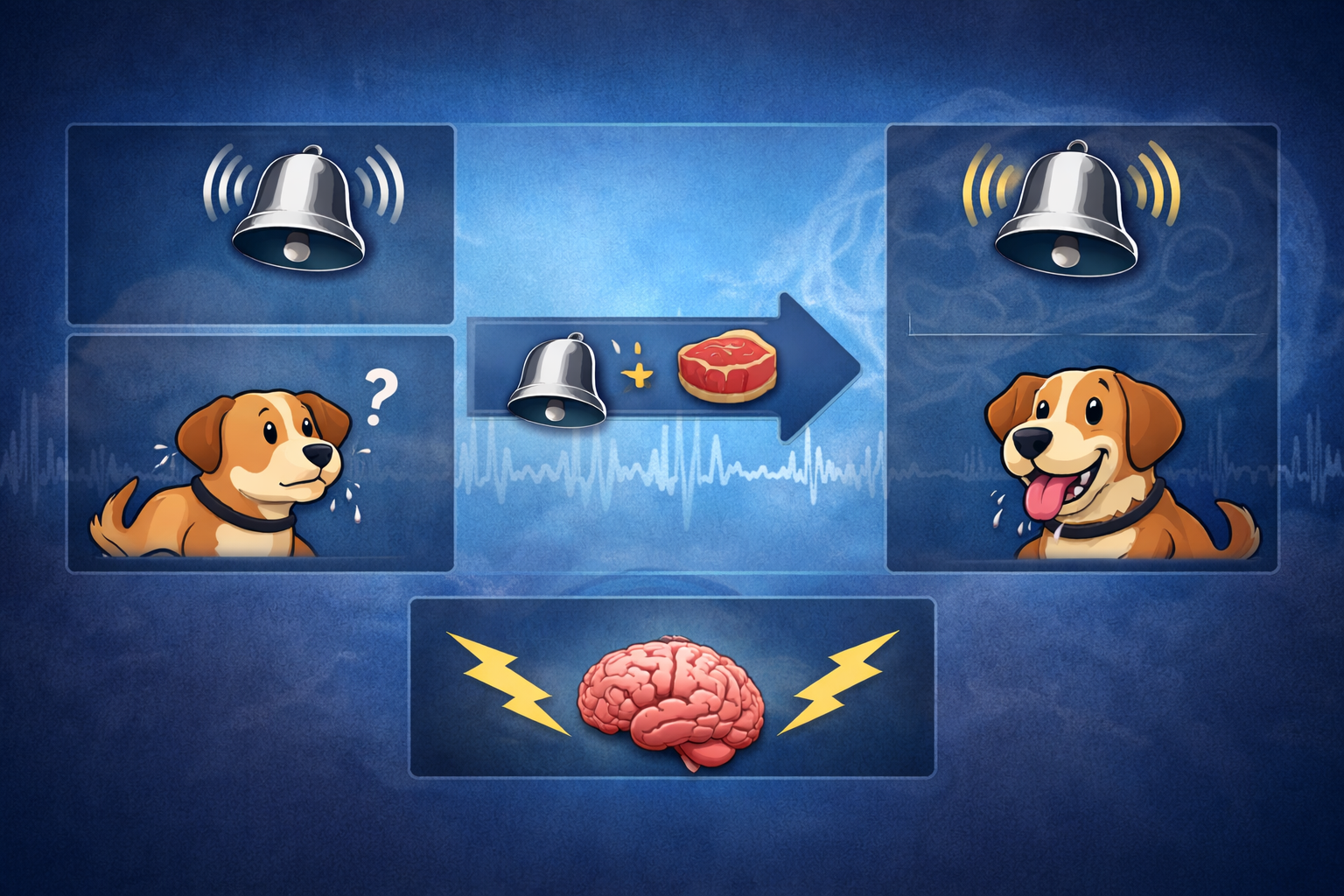
Learning includes classical conditioning, operant conditioning, observational learning, and implicit learning, each influencing user responses and behavior differently. Short-term and long-term memory function differently, with capacity limitations, decay, and the impact of presentation sequence on recall. The familiarity versus recognition effect affects interface design for daily versus occasional use, and procedural encoding and action sequencing are crucial for successful user experience. The learning curve varies depending on product complexity and user capabilities, so interfaces should be simplified while maintaining necessary functionality.